Pest Control: Successful Approaches to Protect Your Property and Business

Pest Control: Effective Solutions to Safeguard Your Living space and Enterprise
Overview to Pest Control
Pest Control refers to the administration or handling of organisms designated as pests – living things that adversely change human activities or vicinities. In New Jersey, a place where diverse ecosystems converge with residential and metropolitan growth, efficient Pest Control is not only a luxury but a necessity for preserving clean home and vocational atmospheres. From the far-reaching neighborhoods of Monmouth County to the integrated communities of Matawan, pest invasions can plague each person, irrespective of how spotless or well-maintained their home may be.
The significance of implementing effective Pest Control strategies cannot be overemphasized. For homeowners, pests can destroy foundational integrity, taint food supplies, and pose considerable health threats. Establishments face these comparable challenges, with the extra anxiety of status injury and probable loss of customers if problems are detected. Prevalent pests in New Jersey incorporate small mammals like rats and mice, assorted creepy crawlies such as ants, cockroaches, and bed bugs, and the remarkably damaging termites that can noiselessly compromise a building's foundation.
For What Reason Pest Control Matters
Health Perils of Pest Control Chemicals
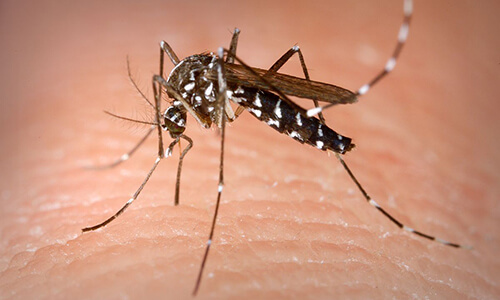
Multiple pests transport and transfer disorders that can influence humans and pets. Small mammals are acknowledged hosts of hantavirus, salmonella, and leptospirosis. Cockroaches can trigger asthma episodes and hypersensitive effects, especially in youngsters. Ticks, abundant in New Jersey's woodland locations, are distinguished for disseminating Lyme disease, while mosquitoes can convey West Nile virus and Eastern Equine Encephalitis. Expert Pest Control assists mitigate these health risks by destroying the origin of these potential here disease spreaders.
House Deterioration in Pest Control
The foundational impairment triggered by pests can be substantial and pricey. Termites singly bring about over $5 billion in structure harm per year around the United States, with New Jersey homes being specifically vulnerable due to the state's environmental conditions. Small mammals can munch through electronic cables, making fire dangers, while their constant biting can harm thermal barriers, pipes, and timber architectural components. Even outwardly inoffensive ants can weaken wood structures if left unprocessed, mainly carpenter ants which are frequent in Monmouth County.
Budgetary Effects of Pest Control Services
Avoiding pest problems can trigger substantial monetary ramifications. What possibly initiate as a small infestation demanding easy procedure can fast grow into a large trouble necessitating extensive restoration. For establishments, mainly those in the food business or hospitality trades, pest infestations can create unsuccessful health inspections, temporary suspensions, and long-term harm to reputation and patron faith. Funding in periodic Pest Control is not only about quick ease—it's a sustained fiscal defense.
Pest Control: Frequent Family and Business Pests
Rats and Mice (Rats and Mice)
When it concerns identifying rodent infestations in your New Jersey home, attentiveness is key. You perhaps see pellets near food provisions, in drawers, or below sinks. Gnaw marks on food covering, lumber, and electronic cords are indicative evidence of their being. At nighttime, you may detect grating sounds in barriers, overhead surfaces, or under floors as these evening organisms grow vigorous. If you uncover shelters formed from tattered documents, fabric, or desiccated plant matter, that's a apparent sign rodents have created themselves settled. Greasy rub marks against baseboards and partitions show up as rodents adopt the same paths continually, while your pets may show atypical behavior such as yelping or scratching at areas beneath devices or possessions where rodents seek refuge.
Rats and mice in New Jersey homes and establishments present diverse threats above just inconvenience. They can spoil food and cooking surfaces with germs residing in their liquid waste and feces. Their continuous compulsion to bite can impair assets, especially wiring, which creates fire threats. In Matawan and neighboring vicinities, the Norway rat and house mouse are exceptionally complicated, growing well in both densely populated and residential locations. Efficient Pest Control methods are vital to handle these damaging infiltrators.
Invertebrates (Ants, Cockroaches, Bed Bugs)
Insect outbreaks show themselves in multiple modes contingent on the species. Ant issues become clear when you detect perceptible ant paths leading to food stocks, or when you uncover diminutive mounds of earth or wood splinters formed by carpenter ants. Cockroach issues often exhibit themselves through dark excrement looking like coffee grounds or black pepper, a unique fusty aroma that saturates contaminated locations, and the existence of egg cases in covered corners. Bed bug issues show up as rust-colored spots on mattresses and pieces, shed skins near lounging spots, small blood spots on sheets, and uncomfortable red bumps on skin usually arranged in a row or congregation.
Arthropods exemplify the most assorted type of pests in New Jersey. Cockroaches can trigger asthma and sensitivities while dispersing countless microbes. Bed bugs, while not disease spreaders, create notable irritation, sleep intrusion, and affective misery. Specific ant classes, like carpenter ants common in Monmouth County's wooded places, can produce structural impairment comparable to termites over time. Expert Pest Control businesses can spot distinct insect types and carry out aimed remedy tactics that deal with the specific habits and sensitivities of each pest.
Termites
Spotting termite existence early necessitates grasping the nuanced signs of their being. You perhaps notice rejected wings near apertures and portals after swarmers have found a mate and created a new population. Mud tubes on external walls, wooden beams, or in crawl regions act as guarded highways for these damaging pests. Wood that sounds unfilled when struck shows termites have been consuming from within. Entryways and casements that unexpectedly attach may indicate bending from termite destruction, while split or blistering paint resembling water injury often conceals termite behavior below. Discovering frass—termite waste similar to small wood-colored particles—provides another verification of their unwelcome presence.
Termites pose perhaps the most considerable foundational risk across all prevalent pests. In New Jersey, the Eastern subterranean termite is frequent and notably damaging. These organisms can stay undiscovered for years while producing vast harm to wooden foundational pieces. Homes in Matawan and all over Monmouth County, mainly older homes, are exposed to termite problems. The normal charge of term pest control.
Pest Control Security Considerations
Proper Use of Products and Products in Pest Control
When chemicals become needed in your pest control plan, prioritizing protection requires focus to several vital methods that defend people, pets, and the ecosystem. Continuously read and comply with label guidelines precisely, as these legally-binding guidelines show comprehensive testing and governmental review intended to minimize hazards. Use the minimum efficient quantity of chemical to achieve elimination while minimizing unneeded chemical incorporation into your living area. Apply substances only in zones stated on the product instructions, eliminating improper treatments that may create surprising risks or reduce effectiveness. Use correct safeguarding equipment as designated by product companies to prevent individual contact during application. Store products in their original bottles with instructions intact to keep access to safety information and stop mix-ups. Record thorough documentation of all applications, documenting products employed, dilution ratios, areas serviced, and schedules of use for later reference. Ensure proper drying and airflow before returning to applied locations, especially vital in New Jersey's weather where moisture can affect setting times. Think about less-toxic alternatives when effective, as progress in pest management have generated many less-hazardous options that keep performance while minimizing possible dangers.
Protecting Animals and Kids During Pest Control Treatments
Special precautions become essential when implementing pest control treatments in households with at-risk family occupants. Remove companions during application and until spaces are cured to avoid immediate contact with moist products or fumes that could generate harmful responses. Cover or relocate pet meals, drinking bowls, and toys before service to prevent pollution that could result in accidental ingestion. Keep children's items apart from service locations, particularly items that young children might place in their lips. Sanitize and sterilize food cooking counters after application, even if they were not specifically serviced, to eradicate any remains that might have settled during application. Keep children apart from treated areas for the recommended time, prolonging this time for mobile toddlers who have increased close contact with floors and low surfaces. Consider animal-friendly and kid-friendly product alternatives when accessible, as many current products target certain pest biology while decreasing mammalian poison. Most vitally, notify professional specialists about the presence of animals, children, or pregnant home occupants before they design service plans, allowing them to adjust techniques and product options accordingly.
Legal Requirements and Conformity with Pest Control
Pest control in New Jersey works within a regulatory structure designed to safeguard community health and the surroundings while providing successful pest management. The New Jersey Department of Environmental Protection supervises pest control procedures, requiring expert pest elimination firms to meet particular specifications. Organizations must use certified professionals who have passed government assessments demonstrating proficiency in pest study, application approaches, and safety protocols. These firms must maintain appropriate protection insurance safeguarding both their specialists and their customers from potential injury or harm linked to pest elimination activities. Rigid rules oversee chemical warehousing, transport, and removal to stop environmental exposure and improper availability. Experts must provide Safety Data Sheets upon demand, detailing the attributes and dangers of products used in treatments. Warning guidelines relate for some uses, especially in apartment dwellings or business locations with several tenants. Complete application logs must be maintained, building an inspection trail of pest management operations. Moreover, only chemicals authorized for utilization in New Jersey may be officially utilized, guaranteeing that local ecological circumstances and environments have been reviewed in the authorization system. For commercial establishments in Matawan and throughout Monmouth County, supplementary requirements may apply based on the business, especially for dining business, healthcare, and daycare centers where pest elimination overlaps with further general wellness considerations.
Eco-Friendly Pest Control Alternatives
Comprehensive Pest Control (IPM) Method
Unified Pest Control exemplifies the top measure in modern pest control, concentrating on extended deterrence through a mix of techniques that reduce natural influence while increasing effectiveness. The IPM method initiates with comprehensive inspection and observation to determine pest presence correctly, creating starting information about kinds present and number levels. This creates correct classification of pest kinds, making certain control actions aim at specific patterns and exposures rather than applying universal treatments. Experts determine threshold quantities that require response, understanding that the mere existence of a small number of pests doesn't automatically call for intervention if numbers stay under destructive thresholds. When intervention turns essential, IPM uses several treatment approaches in combination, commonly starting with least-toxic methods and escalating only when required. Across the process, practitioners examine effectiveness and change approaches as necessary, establishing a flexible system reactive to shifting situations. Most importantly, IPM stresses deterrence over intervention, handling construction and environmental aspects that sustain pest numbers rather than simply eliminating present creatures. Many pest control companies in New Jersey deliver IPM-based services that coordinate with the state's push toward lower-risk pest treatment procedures, notably in sensitive environments like educational facilities, health establishments, and meal preparation plants.
Chemical-Free Treatment Methods
Efficient pest control often integrates non-chemical strategies that can address or decrease pest issues without inserting pesticides into the surroundings. Mechanical barriers such as screens, door sweeps, and filling stop pest penetration totally, dealing with the problem at its origin. Mechanical methods like catches and blocking systems take away active creatures while avoiding new infestations. Biological methods involving helpful bugs and bacteria introduce organic enemies that attack certain pests while leaving beneficial organisms safe. Cultural methods alter the setting to discourage organisms, such as altering water patterns to decrease water that lures specific creatures. Environment adjustment decreases harborage and nutrition supplies, causing properties reduced welcoming to unwanted occupants. For particular creatures like bed bugs, heat processes offer very effective management without harmful traces by increasing thermal levels beyond the thermal killing point for all life cycles of the designated pest. Likewise, freezing techniques for stored item insects like food insects or food storage insects can eradicate infestations in consumable items without chemical exposure. These strategies demonstrate notably important in New Jersey's mixed settings, where proximity to liquid areas, preserved environmental areas, and concentrated population hubs produces many situations where toxic decrease becomes preferable or essential.
Green Pest Control Control Methods
The pest control industry maintains to advance toward additional sustainable approaches that preserve efficiency while lowering environmental effect. Natural insecticides sourced from plant extracts like chrysanthemum extract, neem oil, and concentrated oils offer targeted treatment with minimized lasting power in the environment. Living treatments featuring microbes, organisms, or agents that focus on particular pest species supply accuracy that traditional broad-spectrum substances cannot achieve. Reproductive modifiers that prevent pest procreation by interrupting with maturation stages offer long-term population reduction without direct harmful consequences on developed creatures. Scent tools that track or interrupt pest mating aid establish when treatment becomes essential and can prevent mating in particular kinds. The field progressively uses lower-risk products with limited surrounding influence, moving apart from previous chemistries with broader influences on beneficial species. Accurate delivery equipment that reduce total substance application administer procedures specifically where needed rather than spreading products across wide spaces. Green qualification schemes for pest management organizations determine requirements for naturally favorable treatment and give users with obvious marking of businesses committed to environmentally-friendly procedures. In naturally critical areas of New Jersey, featuring areas of Monmouth County with distance to aquatic systems, these eco-conscious techniques are specifically valuable for safeguarding both personal wellbeing and natural habitats while nonetheless offering productive pest management.
Finding a Local Pest Control Service Provider in New Jersey
Capitol Exterminating System
272 NJ-34
Matawan, NJ 07747
(732) 441-1900
Often Requested Inquiries (FAQs) about Pest Control
How often should pest control be performed?
For many New Jersey properties, quarterly pest control offers appropriate safeguarding against periodic pest pressures. This frequency coordinates with the region's unique periods, each generating distinct pest difficulties that require protective consideration. Early season treatments generally tackle developing ant groups and surviving insects growing energetic. Summer applications concentrate on mosquitos, ticks, and multiple airborne creatures that thrive in hotter climate. Fall procedures prepare homes for mice and rats and sheltering creatures seeking protection as conditions decrease. Winter applications maintain safeguarding against inside organisms while tackling small mammal pressure at its greatest. Nevertheless, this schedule may rise for buildings with individual risk conditions or continuing troubles that require greater thorough control. Properties adjacent to forested locations in Monmouth County may profit from additional tick and mosquito services within top cycles. Structures with history of specific pest issues often need focused subsequent services above the normal seasonal frequency. Business buildings, notably meal service facilities in zones like Matawan, frequently require regular care to preserve compliance with wellness standards and prevent issues that could harm reputation and trade functions.
Is specialist pest control safe for pets?
When executed accurately, expert pest control can be protected for companions through thoughtful chemical choosing and application procedures that minimize contact. Contemporary targeted employment approaches and safer substances have substantially upgraded security aspects compared to conventional pest control techniques. Modern procedures often use mixtures particularly created to have limited harm to creatures while keeping successful against designated organisms with separate biologies. Qualified technicians receive preparation in employment techniques that put materials in locations pets can't access, such as structural cavities, openings and spaces, or underneath appliances. Nevertheless, pets should be taken away while performing treatment and until all treatments have set completely, obeying individual pause times recommended by the material company and specialist. Fish tanks should be covered and ventilation devices shut down during procedure to prevent contamination from airborne substances. Pet items featuring beds, objects, and feeding equipment should be moved or covered throughout treatment. Address any issues with your pest control company, who can suggest proper pause periods based on the certain applications used and adapt methods for homes with particularly susceptible companions like birds or reptiles that may have different bodily vulnerabilities than felines and dogs.
What are the indicators of a major pest infestation?
Past observable insects themselves, several warning indicators indicate possibly major problems demanding urgent pest control response. Odd odors often arise with significant invasions – damp, fatty scents may indicate mice and rats, while pleasant, almond-like scents at times follow German insect groups. Unknown construction damage like sagging boards, bubbling paint, or breaking lumber may reveal termite presence or wood-boring ant infestations destroying construction pieces. Peculiar noises within structures or attics, especially at night, commonly reveal small mammal movement as these dark-active animals turn active in secret places. Excessive dust similar to fine wood particles close to timber components may truly be excrement or droppings from lumber-eating insects. Some households experience puzzling health problems like lung difficulties or irritation that resolve when distant from property, possibly indicating pest issues influencing internal air standard. In New Jersey homes, specific focus should be paid to underground and crawlspace areas where humidity problems can support pest populations, particularly in aged houses throughout Monmouth County where base fissures and deteriorating mortar supply various entry places. Finding many deceased pests of the matching variety indicates a greater community near, while grease traces beside trim indicate confirmed rodent routes with regular activity.
Can I stop pests without pest control substances?
Yes, many creatures can be eliminated through appropriate cleaning, barrier methods, and habitat adjustment without applying synthetic applications. The base of natural pest control begins with thorough exclusion work – closing cracks, gaps, and entrances that let creatures to access properties in the beginning place. Placing entry barriers, restoring broken barriers, and closing infrastructure access points removes typical access spots. Taking away food sources through appropriate food storage in secure receptacles, fast cleaning of accidents and fragments, and consistent waste collection markedly decreases attractants that draw pests indoors. Decreasing water by correcting dripping pipes, enhancing air circulation in humid areas, and addressing drainage issues gets rid of the water origins various creatures require. Maintaining a separation space around homes by cutting foliage, eliminating organic debris, and maintaining timber elevated and separate from structures lowers shelter areas and entry points. Using tangible barriers like copper wire or iron stuffing to stop wider openings offers lasting prevention for small mammals and large mice. Routine sanitation that features vacuuming cracks and crevices takes away creature young and food particles that maintain pest growth. For current problems, nevertheless, some type of treatment product may be necessary to address established concerns, though many lower-risk choices are offered such as natural silica earth, boric powder, and insecticidal soaps that supply lowered danger against conventional products.
What should I prepare for while having professional pest control service?
A professional pest control application generally commences with a comprehensive evaluation to identify pest kinds, invasion points, and supporting circumstances leading to the issue. The expert should invest effort checking both inside and exterior zones, directing focused attention to food preparation areas, bathing facilities, cellars, and edge bases where pest presence regularly focuses. Upon completing this inspection, the technician should clarify their observations in completeness and propose a treatment approach customized to your particular case, talking about both the target insects and the procedures planned for treating them. You may receive readiness steps before service, potentially featuring moving furniture, cleaning particular locations, or containing pets. During the application, the specialist will employ correct products to focused spaces according to the pest kinds identified, focusing on fissures, crevices, and pest refuge locations rather than broadcasting applications throughout whole regions. They may set up tracking equipment like pest snares or attractant stations that help track advancement and offer persistent security. After ending applications, a professional should clarify any after-service care instructions such as airflow specifications, occupancy intervals, or areas to clean. Before leaving, they should plan return services if required for notably challenging creatures like bed bugs or German cockroaches that commonly demand various procedures for total elimination. Across this procedure, professionals should encourage questions and supply understandable facts about the products and approaches utilized, showing their instruction and dedication to both success and protection.
Successful pest control is an important element of maintaining clean, safe dwelling and professional areas in New Jersey. From the damp hot months that bring flying insects and blood-sucking insects to the chilly times when small mammals pursue harborage interior, pest problems persist a annual issue for homeowners and organizations in Monmouth County and Matawan. By grasping frequent organisms, implementing protective measures, and recognizing when to obtain qualified support, home holders can shield their investments and the health of tenants.
Using a anticipatory system to pest control is invariably more successful and budget-friendly than responding to established problems. Frequent inspections, correct upkeep, and dealing with tiny issues before they expand can stop the major fees and problems related with major pest issues. When professional support becomes necessary, picking a respected, qualified pest control company who employs unified pest treatment approaches ensures successful achievements with small ecological effect.